Most of the FCC’s revocation overhaul has been in force since April 2025. One part of it has not, because it has been delayed twice, and it is the part that will require actual work in most businesses. From 31 January 2027, a revocation sent in response to one kind of message has to stop the others too.
What is already in force
Since 11 April 2025, the rules on how consumers revoke consent have been settled and are worth restating, because plenty of senders are still not doing this correctly.
- Consent can be revoked by any reasonable means. You do not get to dictate the method.
- In texting, the words stop, quit, end, revoke, opt out, cancel and unsubscribe are all automatically reasonable. If someone replies with one of those, that is a revocation whether or not it matches your instructions.
- You have a reasonable time to act, and no more than ten business days.
- You may send exactly one confirmation message acknowledging the opt-out.
The common failure here is a keyword list that is narrower than the rule. If your platform only recognises STOP, someone replying "cancel" has revoked and your system has not noticed.
What changes on 31 January 2027
The delayed provision addresses scope rather than method. Today, a business sending several different kinds of message can reasonably treat an opt-out as applying to the programme it arrived on. From the effective date, a revocation received in response to one type of message must be treated as applying to all future calls and texts from that sender on unrelated matters, subject to the rule’s terms.
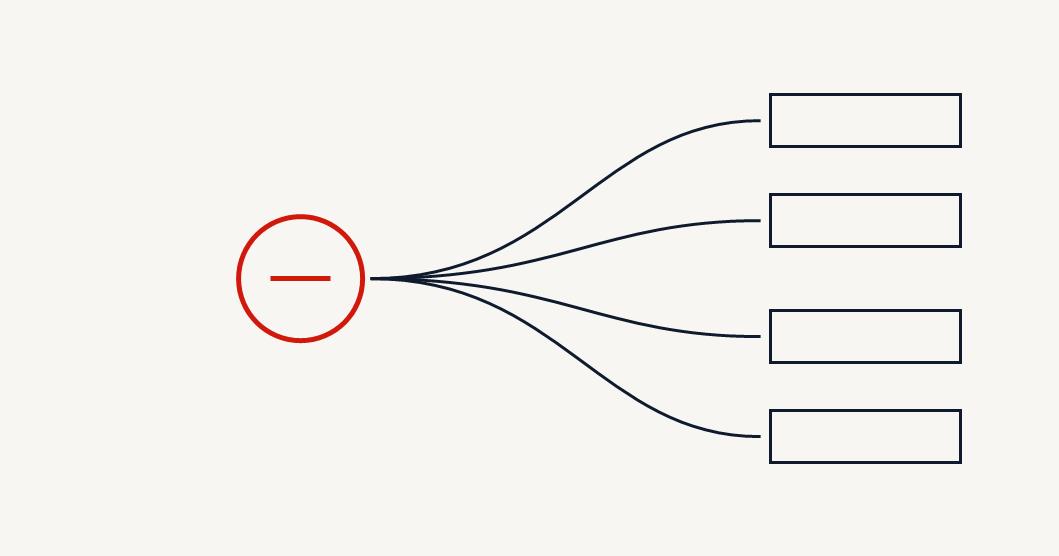
Put concretely: someone replies STOP to a marketing text. Under the new provision that same reply reaches your other messaging too. One inbound word, every outbound programme.
It has been pushed back twice. It was originally tied to the April 2025 date, moved to 11 April 2026, and then extended again to 31 January 2027 by an FCC order in January 2026. Read that history the right way round: the delays exist because the industry said the plumbing was hard, which is a strong hint about how much work it is.
Why this is harder than it sounds
The rule is trivial to state and awkward to implement, because most organisations do not hold opt-outs in one place. Marketing lives in one system, transactional messaging in another, a support desk in a third, and each keeps its own suppression list. A STOP that arrives in one of them is invisible to the others.
There is a second problem underneath that one: identity. Cross-channel suppression means recognising that the number that replied STOP is the same person as a record in another system, which is a data problem rather than a messaging one, and it is the reason this cannot be fixed the week before.
What to do between now and then
- Find every system that sends. Include the ones nobody thinks of as marketing: appointment reminders, delivery notifications, support follow-ups, anything triggered by software.
- Make suppression central. One list, written to by every inbound channel and read by every outbound one, is the whole answer. Everything else is a workaround.
- Widen your keyword handling now. The seven per se reasonable words are the floor, not a target, and free-text revocations count too.
- Log the revocation, not just the result. Record what arrived, when, on what number, and what you suppressed. If it is ever questioned, the record is the defence.
- Test it end to end. Send yourself a STOP from a number that exists in more than one of your systems and see how many of them stop.
A note on the wider picture
This rule is arriving into an unusually unsettled area. A Supreme Court decision in June 2025 means courts no longer have to defer to the FCC’s reading of the statute in private litigation, and appeals courts have since split on questions as basic as whether a text is a "call" for parts of the TCPA. Some of that will eventually reach the revocation rules too.
None of it changes what a sensible operator should do. Central suppression, generous keyword handling and a clean audit trail are what you would want regardless of which way any particular case goes, and they are cheap compared with defending the alternative.
One price per campaign
SMS from $399, email from $499, charged once. No monthly fee, no number rental.
See pricing →Frequently Asked Questions
What is the TCPA revoke-all rule?
It is the part of the FCC’s 2024 revocation order requiring that a consumer’s revocation, made in response to one type of message, applies to all future calls and texts from that sender on unrelated matters. One opt-out stops everything rather than only the programme it arrived on.
When does it take effect?
31 January 2027. It was delayed twice: first to 11 April 2026, then extended again by an FCC order in January 2026.
What is already required today?
Since 11 April 2025: consent may be revoked by any reasonable means; stop, quit, end, revoke, opt out, cancel and unsubscribe are automatically reasonable in texting; revocations must be honoured within ten business days at the latest; and one confirmation message is permitted.
Does replying "cancel" count as an opt-out?
Yes. It is one of the seven words treated as per se reasonable, regardless of what instructions you gave. A keyword list that only recognises STOP will miss valid revocations.
What should we do before the deadline?
Inventory every system that sends messages, consolidate suppression into one list that every channel reads and writes, widen keyword handling beyond STOP, log the revocation itself rather than only the outcome, and test the whole path with a real opt-out.